Free guide

Safe postpartum core exercises

A gentle, evidence-backed way to reconnect with your deep core and pelvic floor after pregnancy. No crunches, no pressure, just breath-led progressions that meet your body where it is.

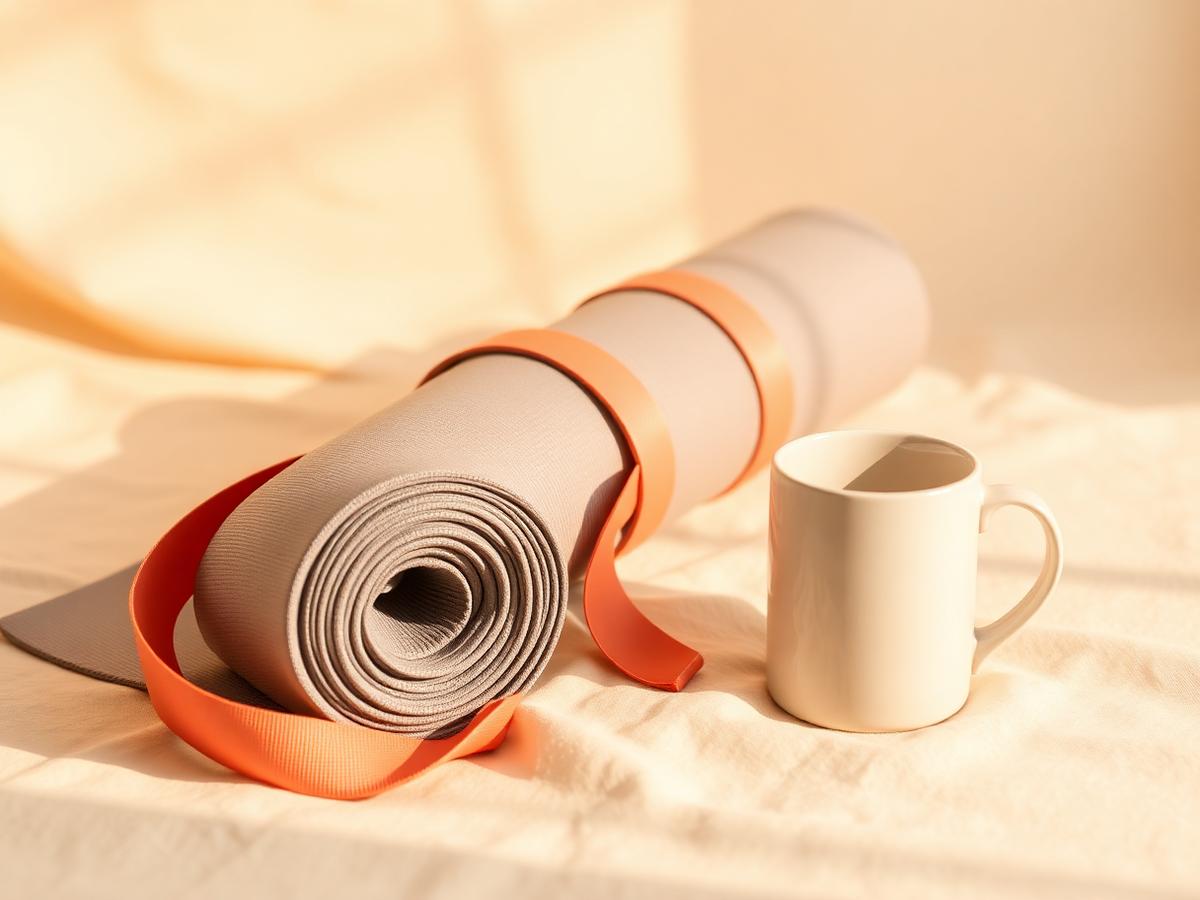
Yoga mat, resistance band and a warm mug

The exercises

Start with breath, then add load slowly

01

360° breath

Lie on your back with knees bent. Inhale quietly through your nose, letting your ribs and belly expand in all directions. Exhale slowly as if you are gently blowing out a candle and feel your deep core lightly draw inward. This is the foundation every other exercise builds on.

02

Deep core activation

From the same position, exhale and imagine drawing your hip bones gently toward one another without gripping or sucking in. Hold for two to three breaths, then release. You are looking for a subtle, coordinated engagement rather than a hard brace.

03

Supported dead bug

Lie on your back with a pillow or towel under your low back. Exhale to set your core, then slowly lower one heel toward the floor while keeping your ribs and pelvis still. Return and repeat on the other side. Stop if you feel any bulging, doming or pressure.

04

Pelvic tilt to bridge

Start on your back with knees bent. Gently tilt your pelvis so your low back flattens, then roll up into a small bridge one vertebra at a time. Lower with control. This reconnects your breath, core and glutes without heavy load.

05

Side-lying clamshell

Lie on your side with knees bent and hips stacked. Keep your feet together as you lift the top knee, then lower slowly. This supports the deep core and pelvic floor by recruiting the glutes and lateral hip muscles that stabilize your pelvis.

How to progress

Reconnect before you reload

The goal of early postpartum core work is not a six-pack. It is restoring coordination between your breath, deep abdominals and pelvic floor so everyday movements feel safe again.

When you can keep your ribs and pelvis steady, maintain easy breathing and stay symptom-free through these basics, you are ready to add light resistance, longer walks or more dynamic movement.

When can I start doing core exercises postpartum?

+

Most people begin gentle breath and connection work within days of birth, once it feels comfortable. Structured core exercises usually start after you are cleared by your care provider, often around six weeks. Always listen to your body and stop anything that causes pain, pressure or leaking.

What are the safest postpartum core exercises?

+

The safest early exercises focus on breath, the transverse abdominals and the pelvic floor working together: diaphragmatic breathing, deep core activations, gentle pelvic tilts and supported dead bugs. The goal is reconnection before load.

Can core exercises fix diastasis recti?

+

Thoughtful core training is one of the best supports for diastasis recti. We focus on how your core manages load, breath mechanics and progressive bracing rather than the gap itself. A hands-on assessment is helpful when the gap is wide or symptoms persist.

When should I see a pelvic floor physio?

+

See a pelvic floor physiotherapist if you have leaking, heaviness, pain, a noticeable abdominal gap or any symptoms that do not improve with gentle work. I am happy to coordinate with your PT so your coaching and rehab move in the same direction.

Ready for personalized coaching?

Get a program built around your body

This guide is a starting point. For progressions, nutrition support and accountability tailored to your postpartum stage, work with a certified personal trainer and nutrition coach. Start with a free 20-minute consult.